Narrative art pieces don’t wait for a gallery wall anymore; instead, they claim the living room and invite people to sit inside the story.
I design furniture, yet I also critique it like art: I look for composition, tension, rhythm, and intent. At the same time, I test every object like a tool, because comfort builds trust and durability proves respect. Because of that double lens, I welcome the rise of “artistic furniture,” where sofas, chairs, and tables act as narrative artworks rather than neutral background. Moreover, buyers now chase pieces that feel singular, culturally rooted, and emotionally legible.
Why narrative art pieces moved off the wall
First, screens saturate daily life, so people crave tactile anchors. Consequently, they treat furniture as a daily ritual object, not just a purchase. When a hand meets a carved edge or a stitched motif, the body remembers.
Second, the market legitimizes collectible design, so furniture can compete with sculpture on cultural value. If you want a snapshot of that world, explore Design Miami, which spotlights collectible design as a serious cultural arena. Therefore, a sofa can function as seating and statement—provided the maker controls proportion and craft.
Third, storytelling already lives in material culture, so this trend simply makes narrative explicit. For example, folk art systems encode place and memory through repeatable motifs. Likewise, museums often read furniture as identity rather than décor; MoMA’s writing on furniture and interiors frames objects through cultural context as much as form. So, when designers embed localized patterns into upholstery, they amplify an older logic.
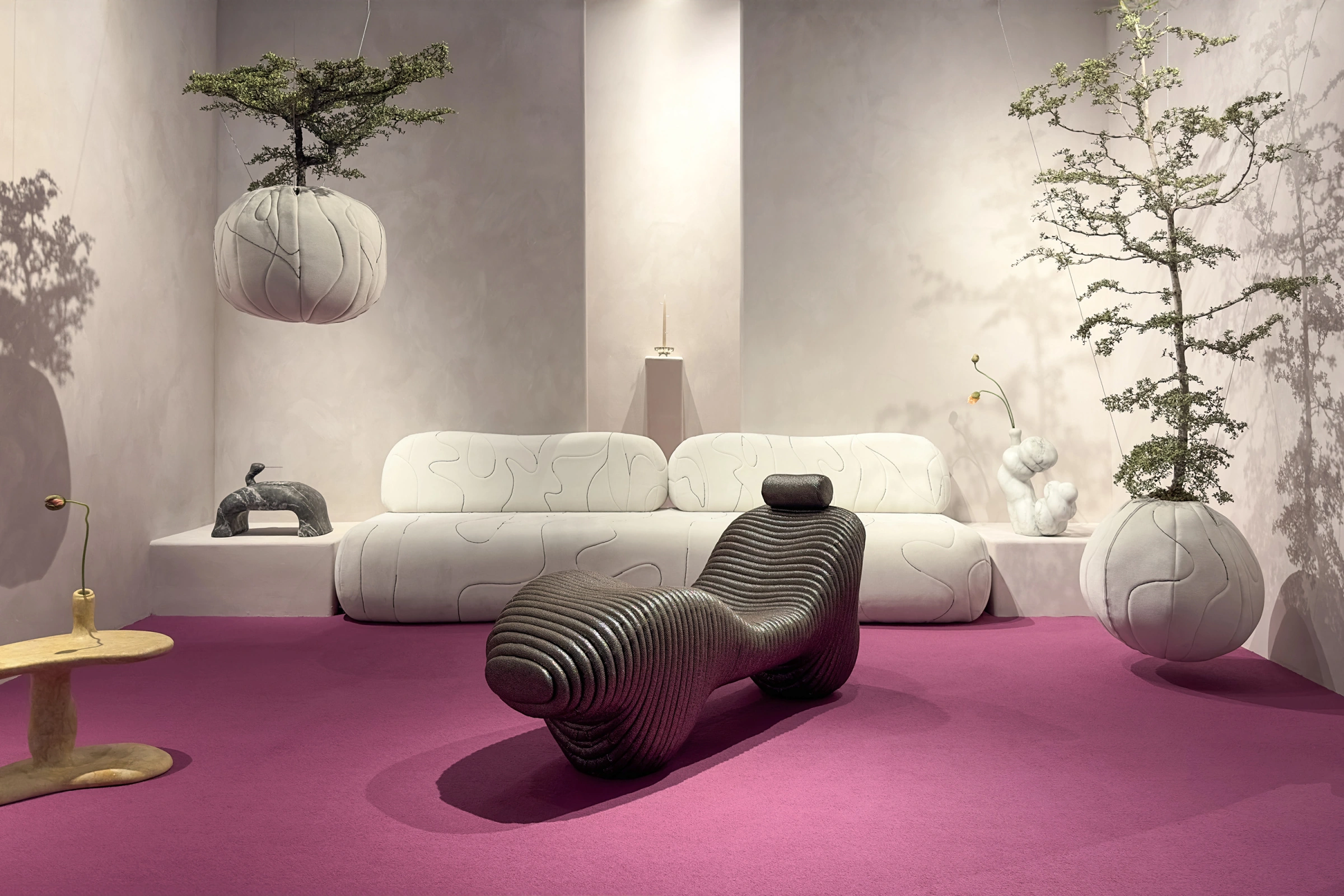
Reading a sofa like an art critic
However, I don’t praise every loud piece. I ask a sharper question: does the object speak, or does it shout? If the form relies on novelty alone, the story collapses after one dinner party. Yet when the narrative grows from material truth, the piece stays interesting for years.
So I start with silhouette, because the outline delivers the first sentence. A generous curve suggests welcome; a strict chamfer signals discipline; a low profile implies lounge culture. Then I move to surface, because texture supplies the second sentence. For instance, a hand-rubbed oil finish reads like a quiet memoir, while a glossy lacquer reads like a poster. Next, I look for cultural reference that behaves like metaphor rather than sticker.
Finally, I judge the editing. Great narrative art pieces leave negative space, so the user can project life into the object. Therefore, the sofa must still welcome sprawl, nap, and conversation, even while it carries meaning.
Designing narrative art pieces without losing ergonomics
Nevertheless, narrative only wins when it respects the body. So, I design the story from the inside out.
- Lock comfort first, then choreograph expression. I set seat height, depth, and back angle early; afterward, I let arms, legs, and seam lines carry the gesture.
- Use joinery as punctuation. A visible joint marks a pause, while a continuous sweep reads like a flowing sentence. Consequently, I choose construction that reinforces the message: show the hand when the story celebrates craft, or tighten tolerances when the story celebrates precision.
- Prototype the surface like a plot twist. I test patinas, dyes, and topcoats early, because narrative lives in how a surface ages. Then I run abrasion, UV, and stain trials, so the story survives real use.
Narrative art pieces as a premium tier, not a gimmick
Meanwhile, this shift opens a practical strategy: limited-run editions can fund experimentation, and then the best learnings can flow into scalable lines. That logic works especially well when storytelling, tactility, and cultural reference become part of the feature set alongside ergonomics.
So, imagine a “story edition” sofa with a localized motif, a numbered plaque, and a crafted finish that you can’t fake with a generic print. Then, in the next season, translate the same narrative into a mass-market version through simplified stitch maps, standardized modules, and durable coatings. Likewise, the method can elevate gaming hardware: a controller shell can carry a regional pattern in micro-texture for grip, while a headset yoke can use anodized gradients that echo local landscapes. Therefore, narrative becomes a product layer you can iterate, test, and scale.
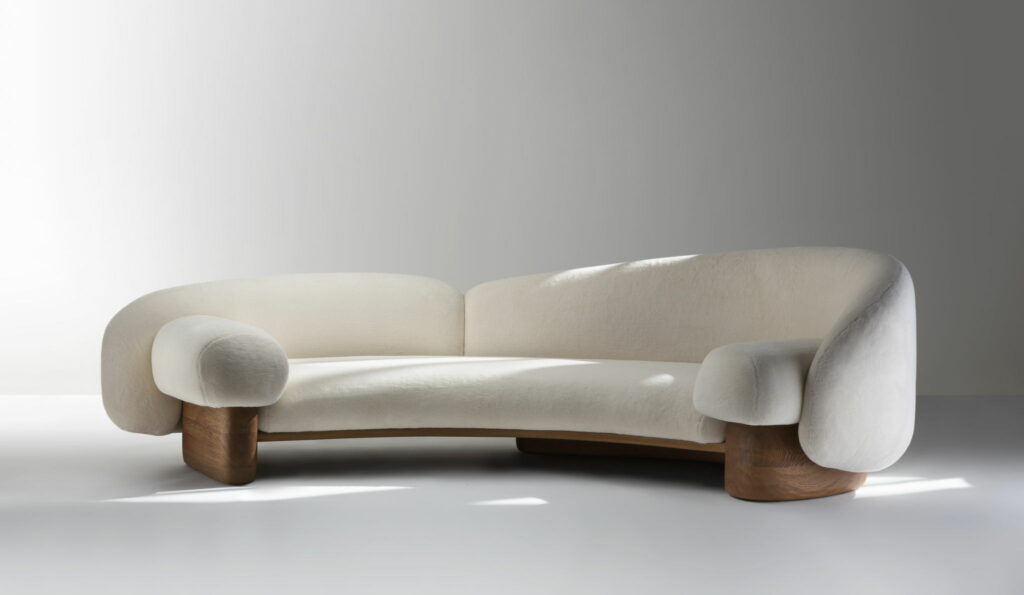
A critique: stories must earn their seat
Still, I watch for two traps.
First, designers can treat culture like a costume, and then the object becomes extraction disguised as homage. So, the work must collaborate, credit, and compensate. If the motif comes from a living tradition, partner with the artisans who keep it alive, and document lineage clearly. For context on how institutions frame narrative traditions, read the University of Western Australia’s notes on Pattachitra, which connect imagery, devotion, and place.
Second, designers can over-design, and then usability suffers. A chair that bruises your thighs cannot claim it “provokes.” Likewise, a fragile finish that chips under daily use doesn’t feel poetic; it feels careless. Therefore, I treat durability as ethics: if an object asks for intimacy, it must reciprocate with resilience.
Where to see this approach in practice
Consequently, I build projects that balance narrative with usability, because I want objects to live long enough to collect stories of their own. If you want to see how I translate storytelling into production-ready form—across furniture, hardware, and spatial systems—visit my portfolio. Then, if you want the professional through-line behind those decisions, review my resume.
So, where does this leave us? The home no longer asks furniture to disappear. Instead, it asks furniture to speak—gently, clearly, and with cultural honesty. Therefore, the next competitive edge won’t come from another neutral sofa; it will come from narrative art pieces that invite conversation, reward touch, and still feel effortless to use.