Decor trends don’t announce when they expire. They arrive with confidence. Then, slowly, they fill showroom floors for years. And eventually, they start to look tired.
Five of those trends have now reached that point. Moreover, designers who work with real spaces every day are calling them out by name. As a product and furniture designer, I find this moment useful. Not because trends matter so much. But because the failures they point to reveal what good design actually looks like. In other words, the critique becomes a brief.
Decor Trends and the Matching Furniture Set Problem
The matching furniture set promised coherence. In practice, it delivers something far less interesting: visual silence.
When sofa, armchair, side table, and coffee table share the same wood tone and fabric, the room stops producing contrast. And contrast is precisely what makes a space feel alive.
Moreover, the matching set carries an obvious showroom quality. Real rooms develop over time. They gather pieces from different sources and different periods. So a room bought as a bundle reads as assembled, not inhabited. It looks finished on arrival. But it stops there.
From a design perspective, this also wastes real opportunity. A well-built collection should offer compatible shapes without demanding identical finishes. Instead, modularity should enable curation. The matching set replaces that with a shortcut.
The Flat Gray Era Is Finally Over
Gray arrived as a sophisticated neutral. Then it overstayed its welcome. Flat, cold gray finishes spread across furniture, walls, cabinetry, and textiles through the 2010s. As a result, those rooms felt airless. They also started to look identical to one another, regardless of budget.
Among the decor trends that aged fastest, flat gray is the most instructive. Specifically, it shows what happens when a finish takes over from the material beneath it. A gray-painted oak panel looks the same as a gray-painted MDF sheet. Consequently, rooms lost depth. And depth is what makes a space feel considered, not just assembled.
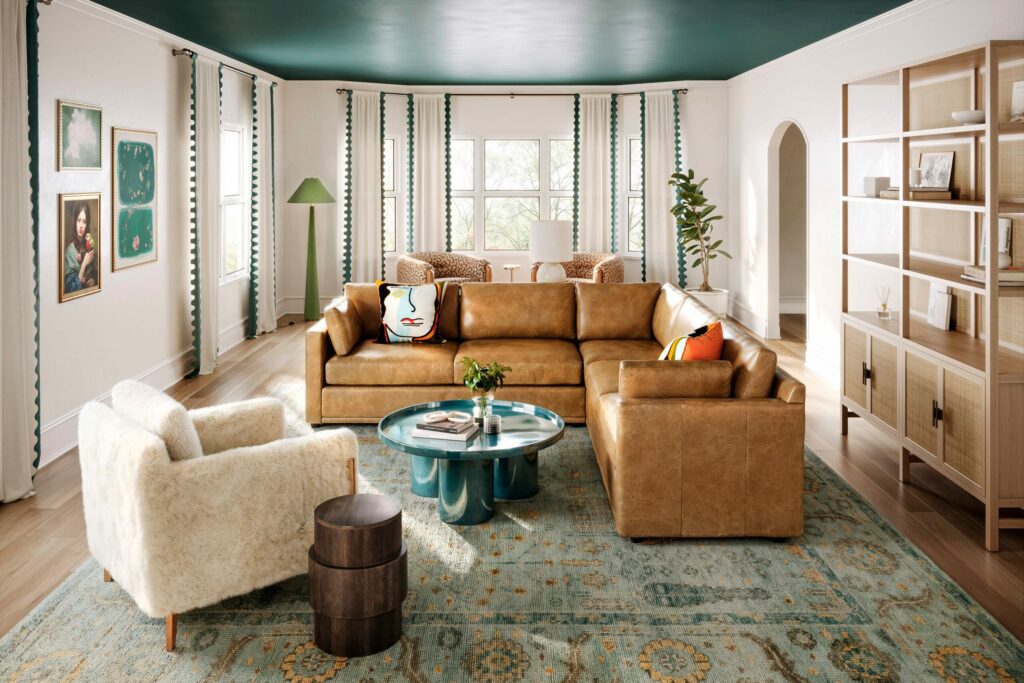
In contrast, today’s strongest interiors layer warm browns, deep greens, and oxidized metals together. Furthermore, matte and semi-gloss surfaces now sit side by side on purpose. As a result, the eye moves through the room. The space produces energy instead of quiet.
The Oversized Hero Piece That Says Nothing
For a decade, design culture celebrated the single dominant anchor. The massive sectional. The oversized pendant. The wall-to-wall bookcase. Nevertheless, size alone does not create presence.
A piece earns attention through material honesty and good proportion. It also earns it through its relationship to the objects around it. Not by crowding them out.
Designers flag oversized anchors because they collapse the room’s rhythm. They leave no room for dialogue between objects. So the space feels finished but static. Consequently, there is nowhere to add, subtract, or let the room grow.
Furthermore, layering smaller, intentional pieces produces more character than one large investment item. As this guide to cost-conscious upcycling in home decor shows, combining materials thoughtfully creates visual richness that budget alone cannot buy.
Decor Trends and the Texture Deficit
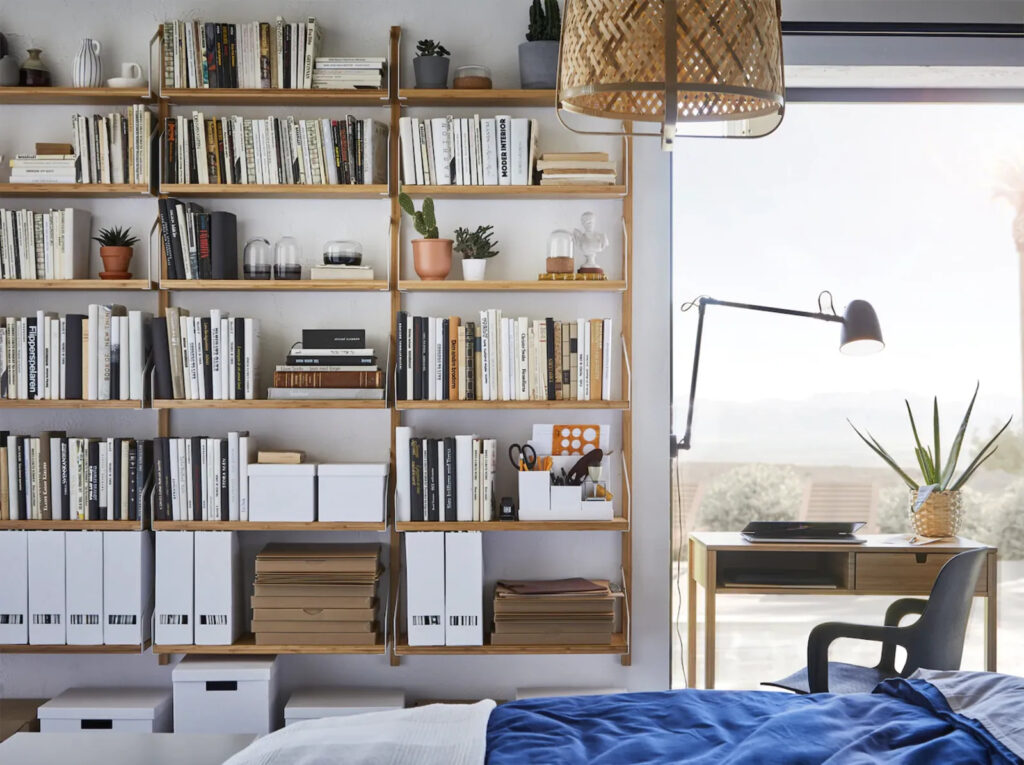
Texture is one of the most underrated tools in interior design. For example, rough linen beside smooth lacquer beside brushed brass beside open wood grain draws people in. It also makes them want to stay.
Yet flat, texture-free interiors dominated mid-range residential design for years. Smooth upholstery, smooth surfaces, smooth rugs—everything the same register of touch. The result felt clean. But it also felt cold.
The shift back toward tactile surfaces is well underway. Indeed, Dezeen’s ongoing coverage of residential interiors consistently highlights surfaces that reward close attention: visible grain, hand-applied finishes, and natural fiber textiles. These choices signal that someone made decisions, not just selections.
In product design, texture also carries clear meaning. Brushed aluminum communicates precision. Similarly, woven rattan communicates warmth. When designers combine these material languages on purpose, objects read as authored, not manufactured.
Rigid Room Themes That Freeze the Space
The fifth outdated approach runs deeper than any single finish or piece. Specifically, many people still design a living room around a theme. Coastal. Industrial. Scandinavian. Mid-century. Every element serves the label. As a result, the room looks like a mood board. It does not feel like a home.
Instead, designers now push a different idea. Each piece should carry its own story. Its own material history. Its own proportional logic. Therefore, the room’s character should come from the tension between those stories—not from their uniformity.
The strongest spaces mix periods, origins, and materials with care, rather than theme. In fact, Decorilla’s coverage of living room trends 2026 makes this clear: collected rooms feel lived-in and specific. Themed rooms, however polished, feel generic.
So the designer’s role shifts. The question stops being ‘does this fit the theme?’ Instead, it becomes ‘does this earn its place?’
What These Decor Trends Mean for Product Design
Reading these decor trends as a furniture designer, I find a clear signal. The market no longer rewards collections designed to be bought together. Instead, it rewards collections designed to be mixed.
That means varied finishes within a shared proportional logic. It also means material pairings that invite contrast rather than suppress it. And it means silhouettes that hold character without demanding coordination. Ultimately, these are pieces that work in edited, personal rooms—not showroom setups.
Furthermore, the same logic applies across product categories. My recent look at modular input design and the creative workstation explored how customization is reshaping workspace design. The living room runs the same evolution, just a step behind. In both cases, mixed-material thinking and tactile ecosystem design connect the worlds.
From the Design Studio to Your Space
These decor trends matter on a personal level too. Designing furniture series at IRVEN on 2012 and later exporting furniture to the USA, Canada, Australia, and the EU until 2020, gave me a clear view of how people actually build rooms.
The clients who built spaces piece by piece—material by material, over time—always produced more compelling rooms than those who bought sets. The evidence was spatial. And now the broader design conversation has caught up.
If these ideas connect with work you are developing, the full archive of my design thinking lives at intellence.eu/news. There, I document these market shifts from the perspective of someone actively making objects, not just observing them.