Luxury interior brands speak a language that decoration refuses to learn. Yet this language is surprisingly simple. It comes down to material, weight, and finish — nothing more.
Right now, premium buyers push hard against fast interiors and safe palettes. So the stakes for designers have never been this clear. As a product designer, I find this moment genuinely important.
Luxury Interior Brands Sell a Material Argument
A luxury brand does not sell furniture. Instead, it sells a position on material honesty. That single distinction changes everything about how we design.
Consider Hermès translating equestrian craft into domestic space. The leather chair, the wool blanket — these are not decorative choices. Rather, they are strong statements about how a surface should behave, under touch and light, over decades.
Poltrona Frau applies a 21-step tanning process to fully dye full-grain leather. Moreover, nearly 95% of each collection is handcrafted by Italian artisans. So visible craftsmanship — the stitch, the tuck, the material reveal — becomes the object’s primary message.
Premium buyers no longer reward surface decoration alone. Instead, they reward construction logic you can read with your hands. That shift, consequently, changes the designer’s entire brief.
Luxury Interior Brands and the Power of Finish
Finish is not the last step of production. In fact, it is the very first decision.
The way a surface ages matters deeply. Similarly, how it catches light determines whether a piece feels alive or flat. And how it develops character under daily use — that separates a meaningful object from a merely expensive one.
Flat finishes fade out in 2026. Instead, solid wood with visible grain, hand-applied stains, and soft patinas take their place. These are surfaces that shift with the light — and that shift is fully deliberate.
The textural vocabulary expands further still. Bronze hardware, sculpted accents, and marble paired with metal bases signal a market open to bold material mixes. Moreover, premium buyers now treat material contrast as the room’s primary design tool, as Colorado Homes & Lifestyles’ 2026 luxury furniture analysis confirms.
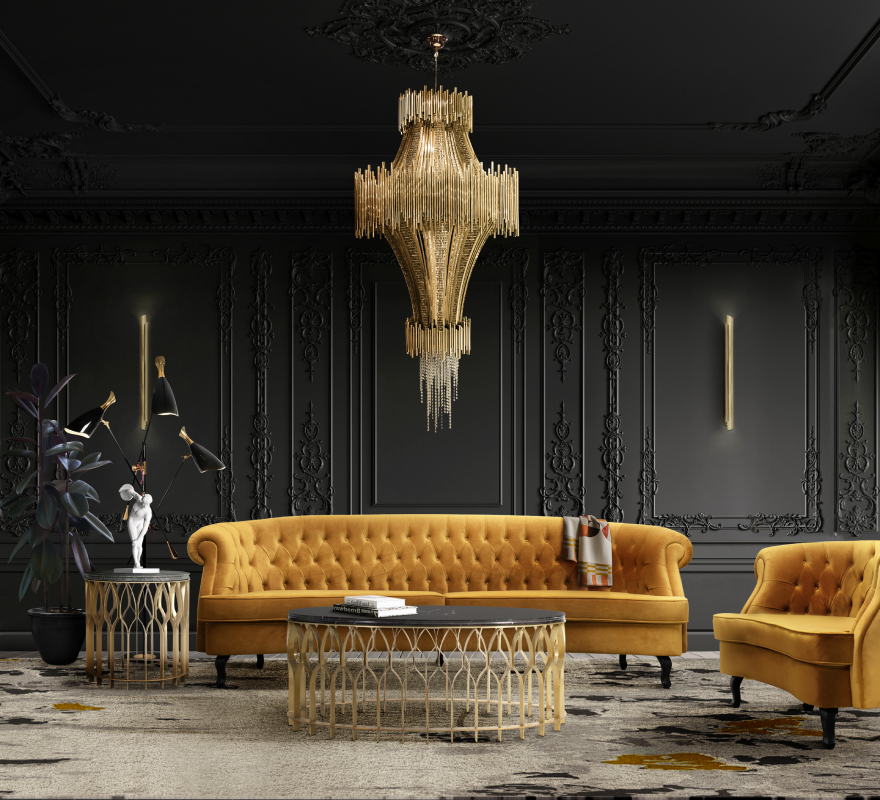
How Luxury Interior Brands Define a Space
There is a tendency to treat a room as a backdrop for objects. However, the best luxury interior brands reverse this entirely. Their objects become proposals about how a space should feel.
A sofa with a considered construction detail does not just fill a corner. Instead, it sets the room’s tone. The room then forms around that idea — not the other way around.
For the designer, this changes the brief considerably. Picking pieces that match is simply not enough. The real task is reading what each object proposes about its space — and whether that proposal holds up under daily life. Does it build warmth through material grain? Does it create order through scale? Or does it carry a quiet detail that rewards close attention and draws you deeper into the room? These are the questions that matter, whether you style a rural cottage or a city penthouse. The scale changes. Yet the design logic does not.
The Material Story Is the Luxury Interior Brand Story
Premium buyers want a mix of appeal and function. They want craft, comfort, and furniture that fits their lifestyle naturally. And, as Decorilla’s 2026 furniture trends report confirms, buyers now expect material quality to show — not hide.
So finish, touchpoints, and construction details become core parts of what you sell. The edge profile of a shelf matters. Similarly, the gap between a drawer face and its frame carries as much weight as any visible surface.
Textile materials in 2026 evolve into interfaces between body, space, and culture. Woven patterns with depth and grip, light-returning fibres, and raw linen refined through mechanical processing — these are not just trend notes. Rather, they mark where material thinking in premium interiors actually stands today.
The strongest luxury furniture brands build their identity through material atmosphere. Exceptional leather, sculptural brass, and velvet work blur the line between furniture and art. Consequently, the material story becomes the product story — and the product story becomes the brand story.
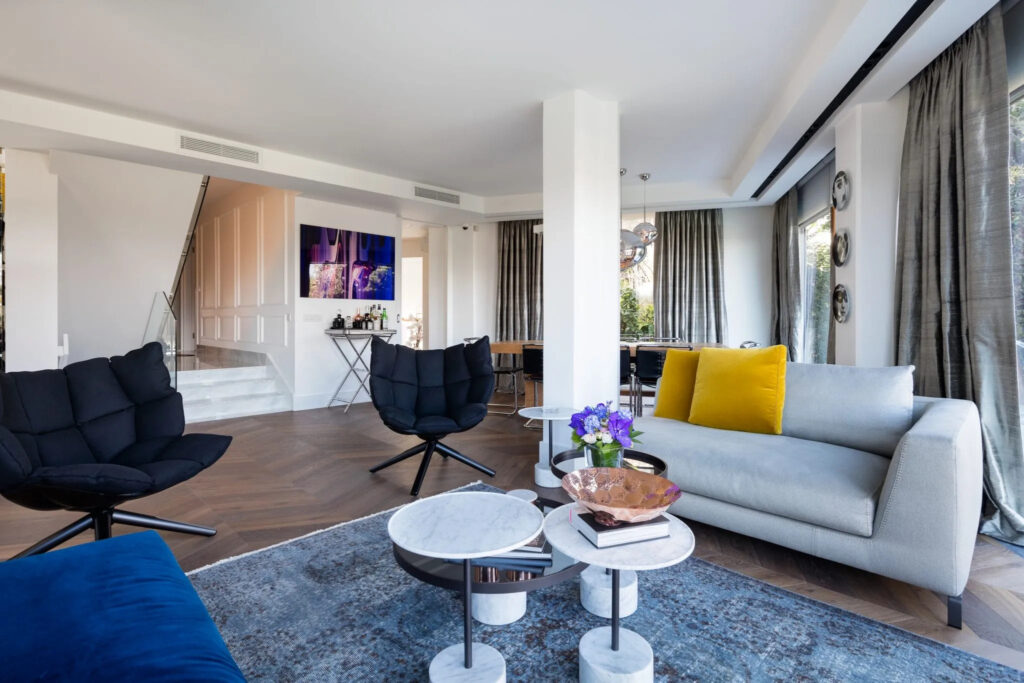
What Luxury Interior Brands Signal for Designers
The furniture you choose no longer just fills a function. Instead, it reflects who you are and how you live. That shift carries real weight for anyone designing at a premium level.
A piece that says nothing beyond its price tag loses the argument before the buyer enters the room. However, the slight variation in oak grain or a subtle shift in recycled glass does something digital surfaces never can. It connects the object to the physical world in a way that endures.
Safe palettes produce safe rooms. Yet material risk produces spaces with real authority. So the opportunity for designers lies in treating every surface decision as a clear, legible statement.
Every finish choice adds to the object’s story over time. And every construction detail forms part of the value the buyer receives — whether they can name it or not. As BRABBU’s 2026 Milan showcase shows, the brands doing this best are the ones pulling the whole market forward.
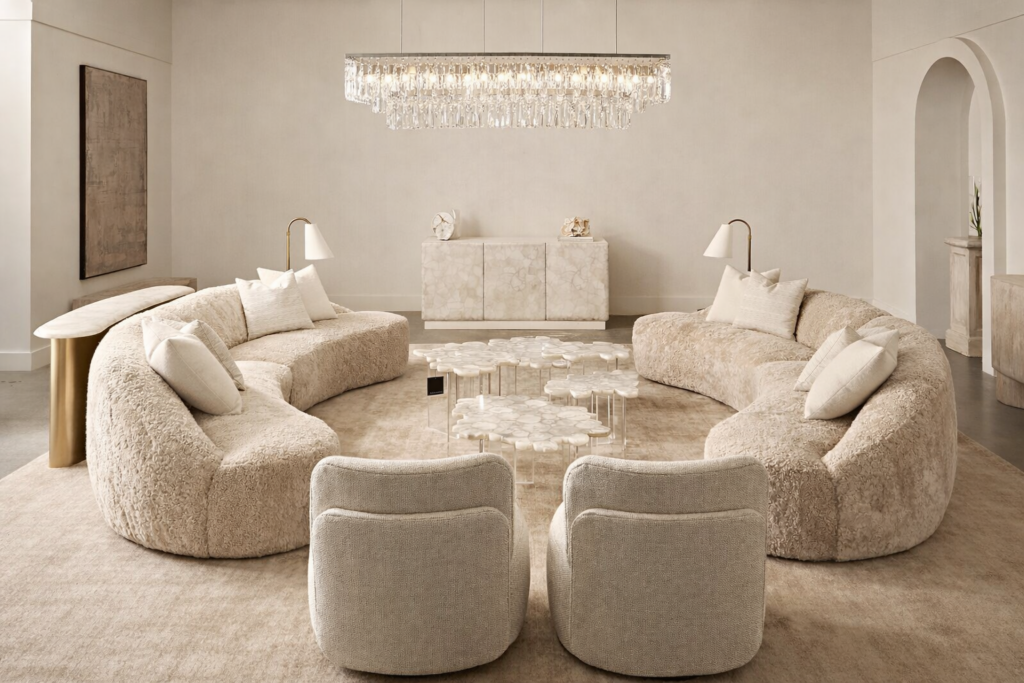
Connect With More Design Thinking on Intellence.eu
This conversation about material honesty links directly to the work I explore at intellence.eu/news. From envelope-first design to CMF decisions that shape a product’s identity before decoration arrives — the thinking runs through everything.
My background spans furniture design and export across North American, European, and Australian markets. In each market, premium buyers rewarded the same thing. An object had to read as well in a Sydney showroom as in a Chicago loft or a Milan apartment. That experience, documented at intellence.eu/resume, confirmed one persistent truth — material honesty travels. Browse the archive for more on how material logic, design criticism, and product strategy meet in contemporary furniture and product design.