Forma Design Fair Madrid made its debut in March 2026. It did not arrive quietly. Instead, it walked in with real purpose and a clear point of view. As a product designer and design critic, I watch fairs with discipline. I study what gets chosen, what gets placed, and above all, why. Sophie Monaghan-Coombs covered this debut with sharp, critical eyes. Moreover, her choices reveal far more than a simple event report. They reveal a city that has finally decided to show its hand.
Forma Design Fair Madrid and the Weight of a First Edition
Madrid has long been home to exceptional designers. Studios like Jorge Penadés and Alvaro Catalan de Ocon have worked there for years. Yet, the city never made it onto the design fair circuit’s essential list. That absence always felt wrong. Consequently, when Forma arrived, the stakes were already high.
Founder Álvaro Matías set the tone clearly on opening day. He promised to create the most beautiful design shop in Spain. That is a curatorial statement, not a marketing line. Furthermore, he delivered it at Matadero Madrid — a former abattoir turned cultural centre. The industrial bones of the space added weight to every object inside.
Artistic directors Antonio Jesús Luna and Emerio Arena co-edit Room Diseño magazine. As a result, their network brought a confident international mix to the fair. French gallery Maison Parisienne showed alongside Colombia’s Tu Taller Design. Meanwhile, Spanish makers held their own without effort. Nobody felt out of place.
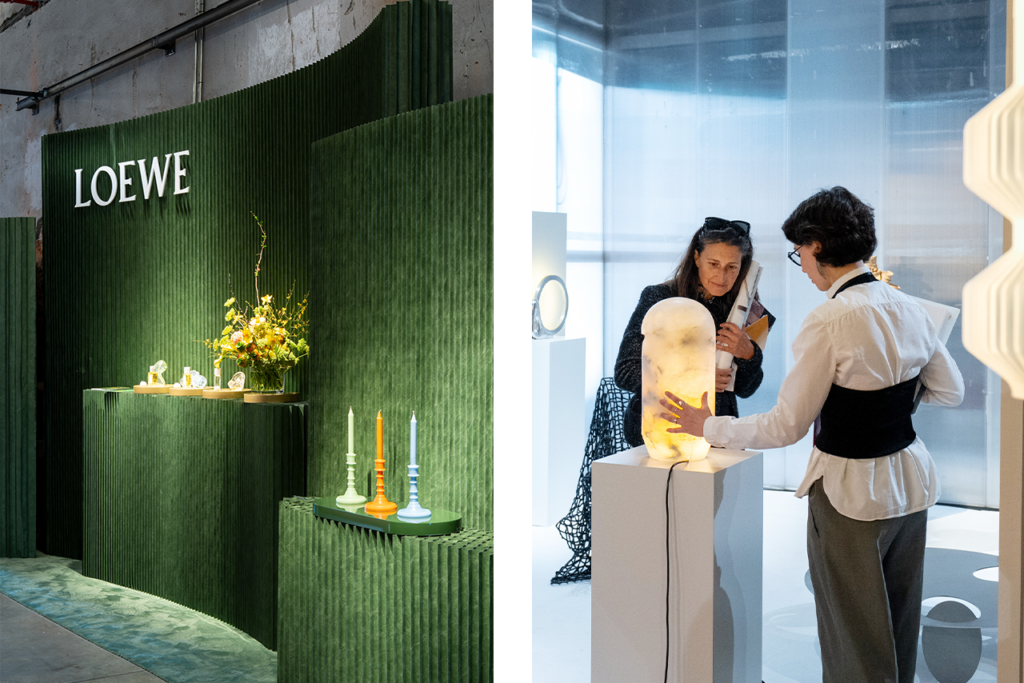
The Objects That Forma Design Fair Madrid Chose to Celebrate
Sophie opens her account with Arturo Álvarez’s lighting. His wire sculptures cast playful, mesmeric shadows across the walls. Indeed, this is the right piece to lead with. Álvarez does not simply design lights. Instead, he designs the shadows those lights produce. The shadow becomes the true material. Sophie spots this inversion immediately.
Then comes La Ebanistería. A row of black wall-mounted boxes sat quietly in the booth. One by one, a handler opened each lid. The crowd gasped. Together, the boxes formed a single giant cabinet. That moment — surprise folding into recognition — is precisely what separates collectable design from product display. In other words, the object performed. And the audience responded.
Further along, the fair deepened its argument considerably. Van den Heede showed sleek handmade tables and chairs from Guadalix de la Sierra. Similarly, Alfombras Peña demonstrated traditional weaving with quiet, assured skill. In addition, material specialist Cosentino brought a table, a lamp, and a counter all built from natural stone and minerals.
Barcelona-based Joshua Linacisoro, meanwhile, showed lighting forged directly from the Basque landscape. Each piece carried a specific place inside it — its geology, its memory, its weather. Moreover, none of these makers arrived at this kind of work recently. As Sophie rightly notes, Spain has practised this ethos for generations. However, it never labelled it as part of the collectable design movement. Forma gave it a name. Consequently, that act of naming changes the entire conversation. For designers like me — who work at the junction of industrial precision and handmade thinking — this reframing matters enormously.
Forma Design Fair Madrid Within the Broader Festival Ecosystem
Forma does not stand alone. Instead, it closes the Madrid Design Festival, which runs for a full month. The festival includes open showrooms, workshops, talks, and pop-up shops. As a result, Forma arrives with a cultural infrastructure that most first-edition fairs simply never have.
The Museo San Isidro exhibition also deserves attention. Manera magazine staged a show there with brands The Maisie and Santa Living. The museum holds Roman mosaics and old terracotta artefacts. Yet, the contemporary objects — chairs, vases, a lamp on thin wobbly legs — filled the courtyard with ease. Natural light brought them alive. Furthermore, they sat among sculptures of Hercules and Prometheus without apology. The new pieces did not fight the old ones. Rather, they continued the story.
For me, that is the most powerful curatorial decision of the whole festival. Objects speak across centuries. However, that only happens when someone places them well.
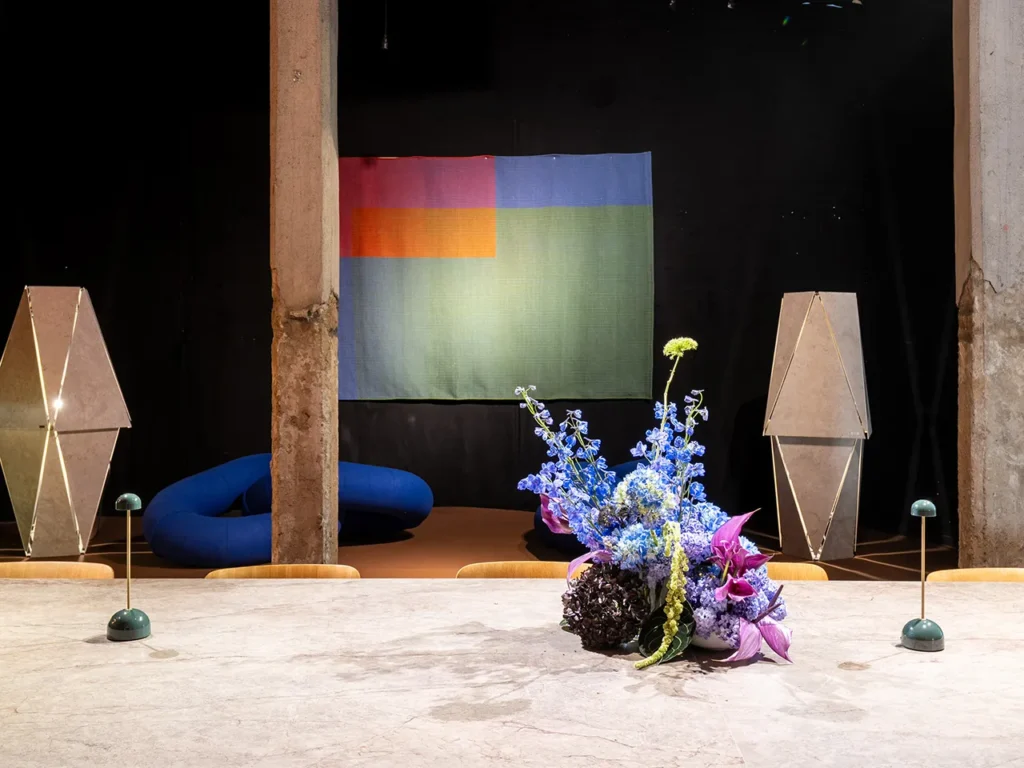
Where Collectable Design and My Own Practice Converge
Over at intellence.eu/news, I write regularly about how material thinking shapes design outcomes. I discuss envelope-first methodology, furniture logic, and structural decisions. In each case, the thread is the same: objects carry ideas. Forma Design Fair Madrid makes exactly that argument — with conviction. Similarly, my resume traces that full arc from concept to construction to critical thinking. In short, Forma and my work share the same root. Both insist that craft knowledge and formal intention must meet.
A Fair That Lets the Objects Lead
Sophie Monaghan-Coombs does something rare in design writing. She lets the objects lead. Her account of Forma Design Fair Madrid does not celebrate the event itself. Instead, it celebrates the choices. The cabinet reveal. The shadow as material. The Roman courtyard dialogue. Each moment she selects carries a real argument. Finally, Álvaro Matías told her plainly: “This is about to begin.” After watching how the first edition unfolded at Matadero, I believe him without hesitation. Spain’s design scene has not just found a stage. Above all, it has found its voice.