Imagine the first time you pick up an old rotary phone after years of swiping on smartphones. Something surprising happens. Suddenly, every movement carries real weight. As the dial swings back with a soft whirr, you feel the seconds stretch out, and your hand, ear, and the object must work together in harmony. In that quiet moment, Retro Tech shifts from a dusty memory into a blueprint for tomorrow’s designs.
Retro Tech Sparks Craving for Friction
Today, after endless years of tap-to-pay ease, invisible cloud storage, and screens devouring every task, people are quietly pushing back. Instead of chasing more seamlessness, they reach for friction—and Retro Tech delivers it perfectly. Picture young collectors hunting down landline phones, instant cameras, cassette players, and chunky game consoles. These gadgets demand your full attention: press hard, click decisively, slide with purpose, and wait patiently. Because of this, they hand back a sense of control that sleek glass screens have quietly stolen away.
Retro Tech Evolves Beyond Nostalgia
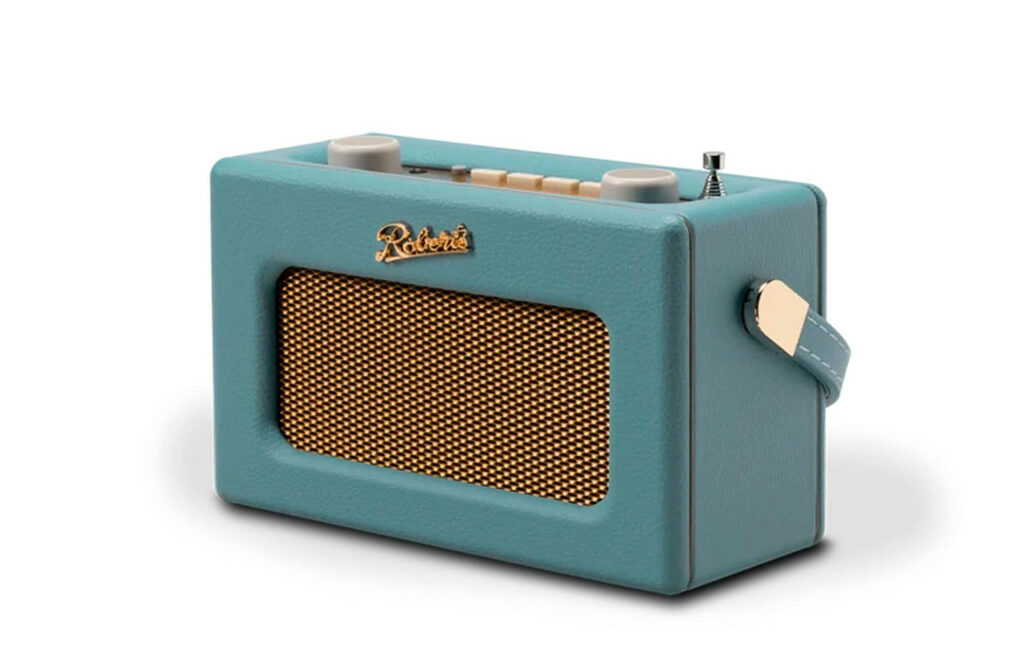
As the trend swells, Retro Tech becomes far more than mere nostalgia. Rather, it emerges as a bold design language, spotlighting mechanical feedback, satisfying weight, and intuitive affordances. While today’s smartphones bury every mechanism behind smooth glass, a retro keyboard celebrates each keystroke with an audible, tactile click. Meanwhile, streaming serves up endless invisible files, but a cassette tape or floppy disk turns storage into something visible, finite, and almost ritualistic. Thus, what once felt like limitations now shine as deliberate strengths.
Designers Hear Retro Tech’s Call
For designers like me, this shift whispers a powerful promise. Because if people crave friction so fiercely, our next material breakthroughs won’t hide mechanisms further. Instead, they’ll make every interaction vivid and felt—treating clicks, resistance, textures, and wear paths as essential UX elements, not mere flourishes. Consider choosing a knurled metal knob over a flat touchscreen slider; suddenly, you’re not just styling a product, but empowering users to grasp it confidently, without second thoughts.
Retro Tech Invites Material Magic
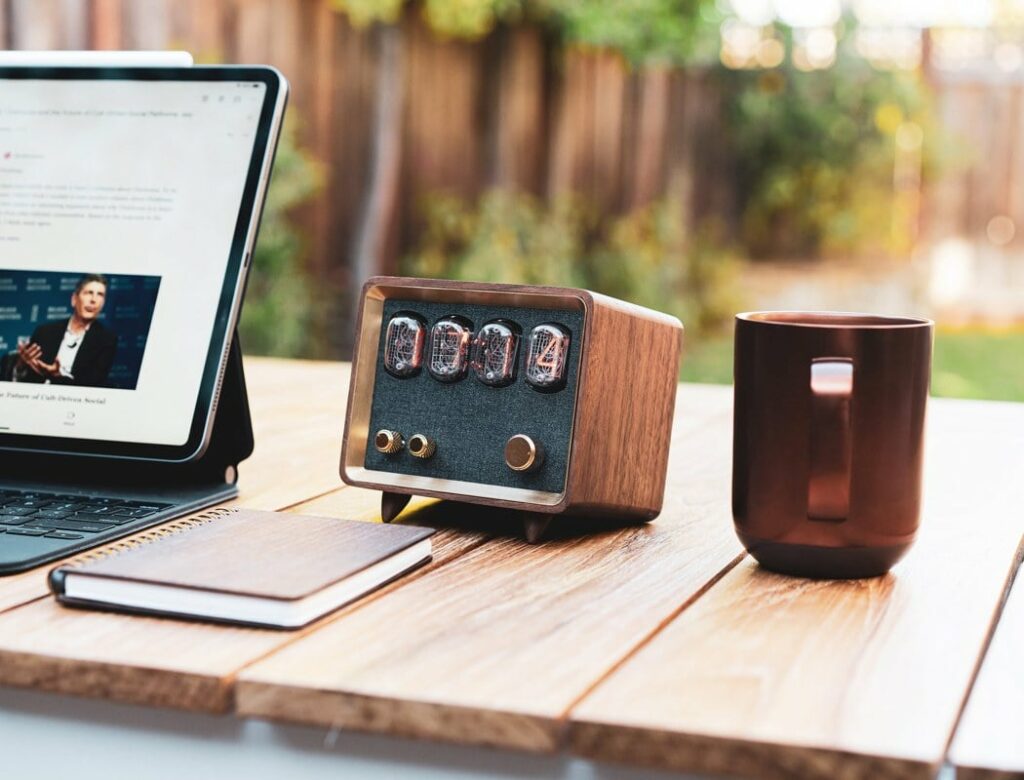
At the same time, Retro Tech reimagines our bond with materials entirely. Modern gadgets chase thin, glossy perfection, but retro icons revel in chunkier forms and sturdy casings. Since their bodies boast real thickness, surfaces beg to be touched: ribbed plastics that grip, brushed aluminum that warms under fingers, rich woods that age gracefully, rubberized holds that steady the hand. In a sea of slippery minimalism, these details murmur invitingly:
“Hold me tight, use me often, let me show my story through wear.”
Furniture Awakens
Here, furniture and products collide with Retro Tech in thrilling ways. As tactile hunger grows, people gravitate toward objects revealing their inner workings and graceful aging. Soon, you’ll spot more designs borrowing this vibe: exposed fasteners hinting at easy access, contrasting materials guiding your touch, joints proudly displaying assembly. Envision a table leg flaunting its metal brackets or a lamp unveiling its pivot hardware; instantly, the piece feels approachable, fixable—not some enigmatic throwaway.
Sustainability Blooms from Retro Tech
Moreover, Retro Tech’s charm dovetails seamlessly with sustainability goals. When assemblies stand exposed, fixing becomes instinctive. And surfaces meant to patina beautifully encourage keeping, mending, and cherishing over time. Therefore, this retro-inspired language fuels circular design: swappable parts, modular builds, materials picked for enduring life, not fleeting shine.
My Tactile World at Intellence
Drawing from my own path in industrial and furniture design—spanning projects like KrossBand, KrosStand, and Azimuth Table—this Retro Tech wave feels like destiny. Throughout these creations, embracing tactility has yielded the deepest rewards. A chair baring its skeleton or a desk layering textures for hands and devices mirrors Retro Tech’s essence perfectly. To witness these principles in action, blending Retro Tech insight with modern materials, sharp UX, and eco-conscious choices, visit my portfolio.

Retro Tech Bridges Analog and Digital
As this wave builds, it won’t ditch cutting-edge tech. Instead, Retro Tech will cloak processors, sensors, and connectivity in reassuringly analog shells. A product’s smart core stays current, yet its exterior speaks through familiar dials, sliders, and switches. Hence, true genius lies in harmony: digital smarts enhancing tangible, audible, profoundly human moments.
Friction Writes the Final Chapter
Ultimately, Retro Tech’s revival reminds us that progress isn’t solely speed and silkiness. It thrives on comprehension, empowerment, and hands-on joy too. When a creation resists just enough—clicking in reply, tracing use in its patina—it weaves interaction into a living tale. For tomorrow’s products, spaces, and furniture, that tale of deliberate friction might just be the missing heartbeat we’ve all longed for.
External References
Here are 3 authoritative, recent external references on the Retro Tech revival. Each links to full articles discussing trends in tactility, nostalgia, and design applications.
- Retro Tech’s Revival: Why Old Computers & Gadgets Are Trending Now
National Today (Feb 7, 2026)
https://nationaltoday.com/us/wi/milwaukee/news/2026/02/07/retro-techs-revival-why-old-computers-gadgets-are-trending-now/ - Why do Gen Z have a growing appetite for retro tech?
BBC News (Dec 6, 2025)
https://www.bbc.com/news/articles/ckgl8nj8nvzo - Retro design is making a comeback in tech and home decor
Fast Company (Oct 17, 2025)
Article Here