What Are Overhead Cranes?
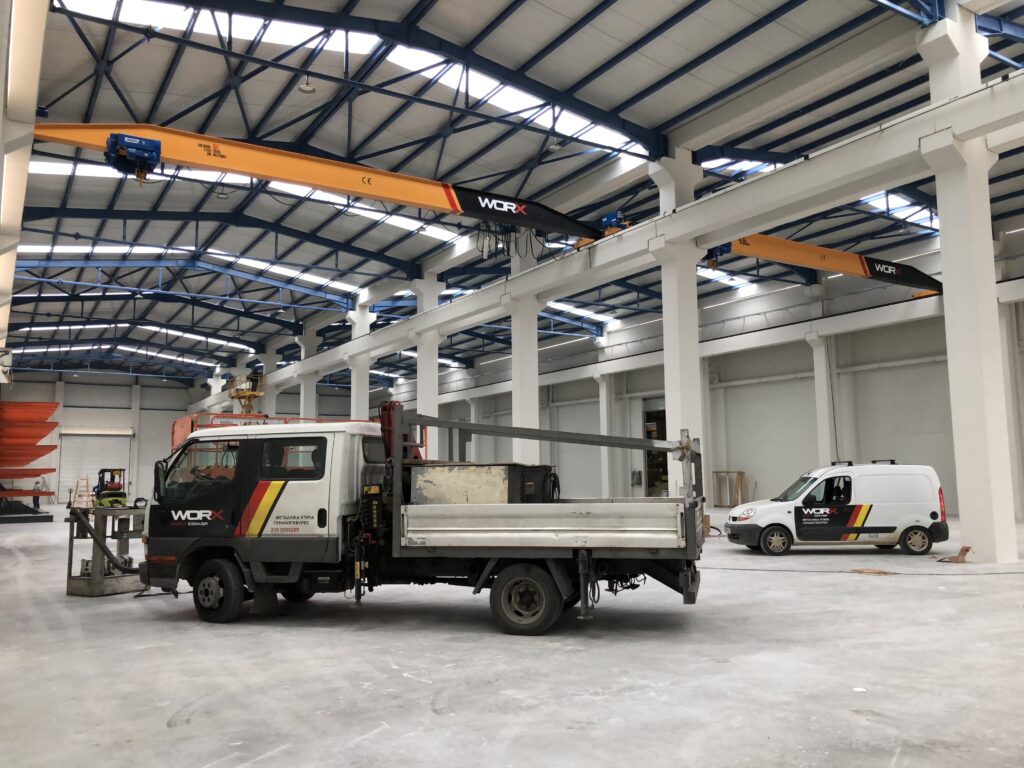
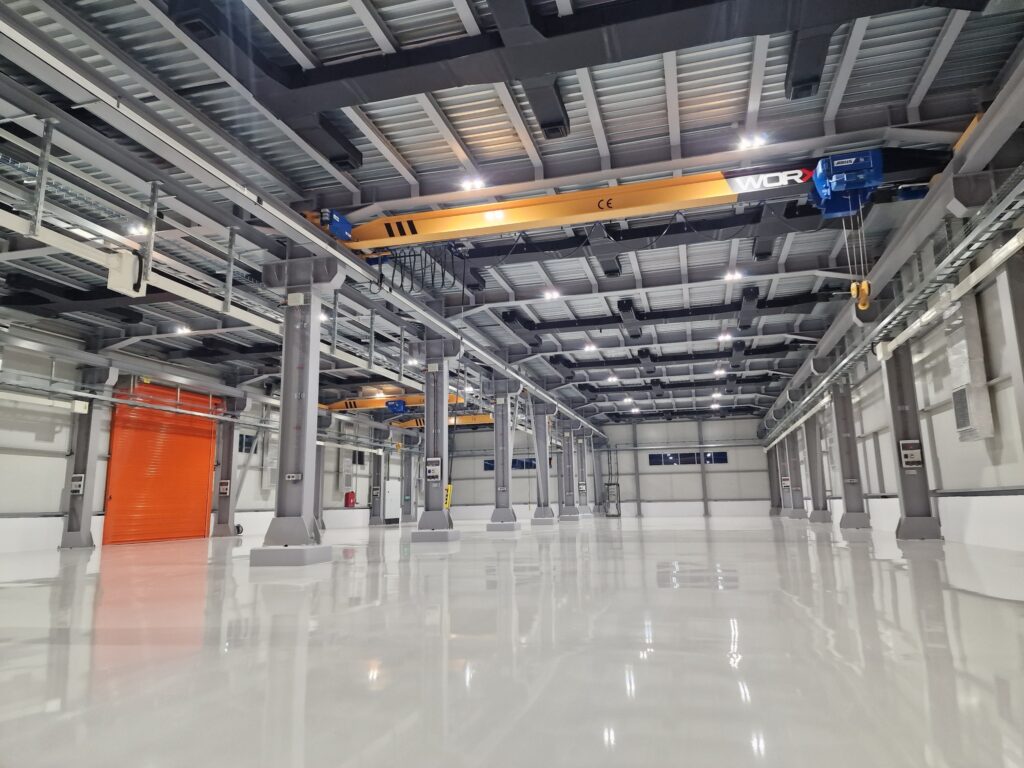
Overhead cranes, also known as bridge cranes, are essential industrial machines that lift and move heavy loads precisely across factories, warehouses, and construction sites. These cranes consist of parallel rails on I-beams supported by steel columns, with a traveling bridge and hoist for efficient material handling. Unlike mobile cranes, overhead cranes excel in manufacturing and maintenance where downtime matters most.
Moreover, they streamline operations by automating heavy lifting, reducing reliance on manual labor or forklifts. For instance, in steel mills or automotive plants, overhead cranes handle raw materials from pouring into furnaces to final loading.
Types of Overhead Cranes
Overhead cranes come in various configurations to suit specific needs. First, single girder ones, use one beam for lighter loads up to 10 tons, offering cost-effective solutions for smaller facilities.
In addition, double girder overhead cranes feature two beams for heavier capacities up to 125 tons and longer spans, ideal for demanding applications like steel handling. Meanwhile, gantry cranes support the bridge on legs running on ground rails, perfect for outdoor sites without overhead runways.
Furthermore, workstation cranes provide ergonomic lifting for repetitive tasks, enhancing worker safety in assembly areas.
Key Components Explained
Understanding the anatomy ensures optimal performance. The bridge spans the runway beams, carrying the trolley and hoist for horizontal and vertical movement.
Additionally, end trucks propel the bridge along runways, while bumpers absorb impacts for safety. Controls, often via pendant or remote, manage speed with variable frequency drives (VFDs).
As a result, these elements combine for precise, reliable operation in harsh environments.
Overhead Cranes in Action
Overhead cranes transform industries by boosting productivity. In construction, they install steel beams and modular components, speeding up high-rise builds.
Similarly, automotive factories use them to maneuver engines and bodies along assembly lines. In steel production, cranes manage molten metal and coils safely.
Consequently, businesses report labor savings, faster workflows, and fewer accidents.
Benefits of Overhead Cranes
Such an investment, yields powerful returns. Primarily, they increase efficiency by handling loads 2-3 times faster than forklifts, cutting downtime.
Moreover, enhanced safety reduces injuries through controlled lifts in hazardous areas like chemical plants.
Besides, customization options – like higher capacities or anti-collision systems – adapt to unique needs, ensuring long-term reliability. For custom engineering tying design precision to industrial tools, explore services at https://intellence.eu/resume/.
Safety Standards
Safety remains paramount with overhead cranes. OSHA 1910.179 mandates operator training, inspections, and PPE like hard hats.
Furthermore, standards like ASME B30.2 and ISO 4301 guide design and operation.
Therefore, features such as emergency stops and anti-collision devices prevent accidents during power failures or overloads. Learn more at OSHA’s crane regulations: https://www.osha.gov/laws-regs/regulations/standardnumber/1910/1910.179. For crane manufacturers in Greece, check HERE
Future Innovations Ahead
Advancements continue to elevate overhead cranes. For example, automation and smart sensors enable real-time monitoring, predicting maintenance needs.
In fact, integration with AI optimizes routes in multi-crane setups.
Thus, as industries like modular construction grow, demand for efficient surges.