OpenAI’s First Device Revealed: Game-Changer Ahead
OpenAI’s first device promises to transform AI from screen-bound apps into an ambient companion that redefines daily interactions. Designed with Jony Ive, it prioritizes voice, context, and seamless integration over traditional displays. As a result, this hardware could become the “third core object” in your life—sitting alongside phones and laptops.
OpenAI’s First Device Explained
This groundbreaking hardware shifts paradigms entirely. For example, it leverages microphones, cameras, and sensors for proactive assistance without needing constant prompts. Consequently, it learns your routines, anticipates needs, and responds naturally through voice. Moreover, unlike smartphones, it avoids app overload by focusing on contextual intelligence. Therefore, imagine asking complex questions mid-conversation, with the device recalling prior context effortlessly.
Design Innovation in OpenAI’s First Device
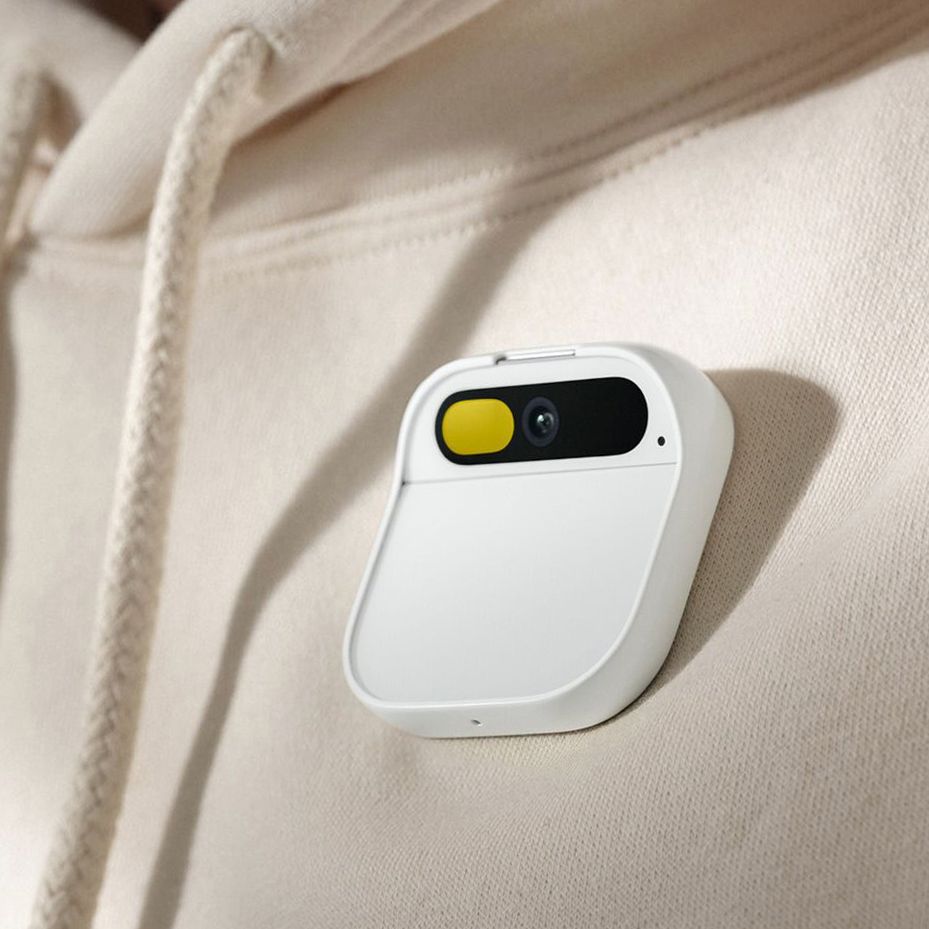
Jony Ive’s legendary influence shapes a minimalist, pocketable form—think calm, tactile object rather than flashy gadget. In addition, expect no screens; instead, subtle haptic feedback and audio cues guide interactions. Furthermore, OpenAI’s advanced audio models enable fluid, human-like dialogue. For instance, recent team reorganizations prioritize voice-first tech, signaling serious commitment. Thus, the device blends into environments like a trusted advisor, always ready but never intrusive.
Timeline and Challenges Ahead
Investor updates target a late 2026 launch, with prototypes already in testing. However, engineering hurdles like battery efficiency and sensor accuracy remain. Still, OpenAI’s hardware push includes new infrastructure for audio processing. Additionally, partnerships ensure manufacturing scalability. For example, leaks suggest screenless design resolves privacy concerns better than always-on cameras alone. Because of this, delays could arise, but momentum builds steadily.
Impact on Designers and Education
For furniture and product designers like those at SYNESIS Consulting, this device demands adaptive workspaces that embrace ambient AI. Specifically, hidden docks, charging hubs, and flexible surfaces will integrate seamlessly. As such, classrooms evolve—mirroring HAEF projects where pop-up computers hide for play or study. In fact, flower-desks and robotics benches already prove tech can vanish when unneeded, fostering collaboration. Similarly, English workbenches switch effortlessly between digital and analog tasks. Therefore, OpenAI’s first device accelerates this trend, inviting furniture that hosts always-on companions. Explore this TAPICAP project from Pantelis BONIS here
Everyday Use Cases for OpenAI’s First Device
Beyond design, consider real-world applications. First, professionals gain instant research during meetings—the device whispers insights via earpiece. Second, in creative workflows, it brainstorms ideas contextually, pulling from your environment. For example, spotting a furniture sketch, it suggests material optimizations instantly. Third, educators benefit from personalized tutoring; sensors detect student focus and adapt lessons. Moreover, home setups transform—cooking queries factor in pantry stock via camera scan. Consequently, productivity surges without screen distractions.
Technical Specs and Comparisons
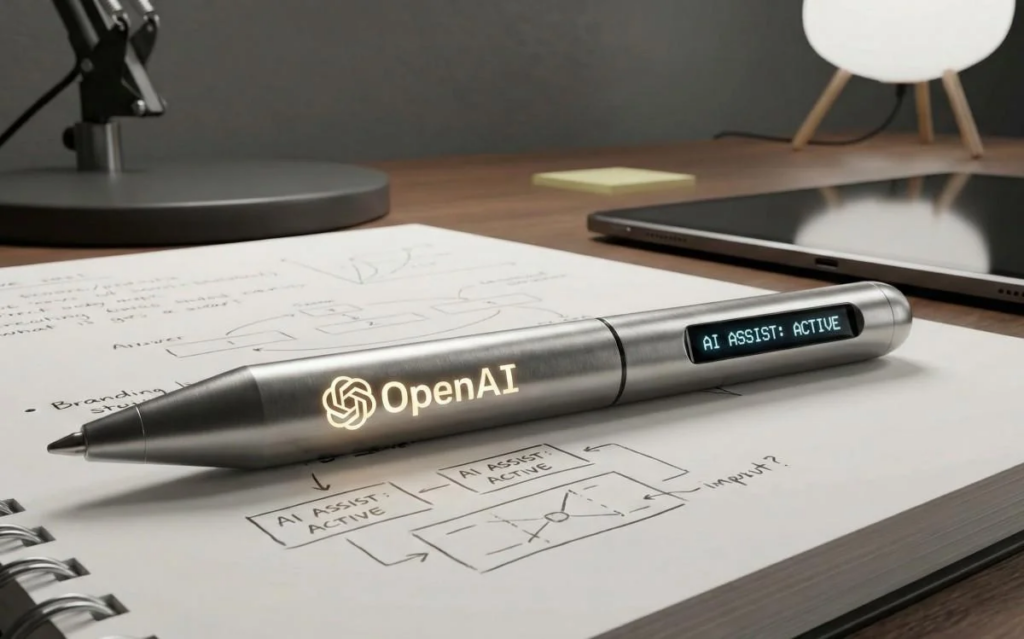
Rumors point to custom Arm-based chips for efficiency, echoing CES 2026 headlines on robotics autonomy. In comparison, this outpaces smart speakers by adding visual context—think Rabbit R1 but smarter. However, without screens, it forces voice reliance, which OpenAI refines via new models. Additionally, privacy features like local processing address data fears. Thus, it positions as a true AI companion, not just a gadget.
Future Implications for Workspaces
Looking ahead, offices and studios must adapt. For instance, desks with embedded charging for pocket devices ensure constant readiness. Furthermore, collaborative spaces gain from shared AI awareness—group projects query collectively. Because cables stay hidden, as in HAEF robotics labs, focus sharpens on creation. In summary, this hardware catalyzes “AI-native” environments where intelligence permeates physical spaces.
External Insights on OpenAI’s First Device
Dive deeper via these authoritative sources: