Setting up a first apartment is no longer just about furniture. It is about expectations.
And those expectations are increasingly shaped by technology.
A recent article from Techcrunch, titled “10 Useful Gadgets for Your First Apartment,” may look like a simple gadget roundup at first glance.
However, beneath the surface, it tells a deeper story about how a new generation wants to live, work, and relax in small spaces.
For anyone tracking Furniture & Interior Innovation, this is a cultural signal worth decoding.
From Listicle to Lifestyle Blueprint
The article, written by technology journalist Lauren Forristal, focuses on tech-forward gadgets designed to make everyday apartment life easier.
These are not decorative items.
They are functional tools.
And that distinction matters.
Park’s background in computer science and emerging technologies suggests a deliberate bias toward smart, connected, and efficient products.
As a result, the list reflects how tech culture is bleeding into interior design decisions.
This shift mirrors trends we often explore at Intellence, especially in our coverage of how technology reshapes interiors and daily rituals (see our analysis on smart living environments and future-focused interior design).

First Appartment with Small Spaces but Big Design Signals
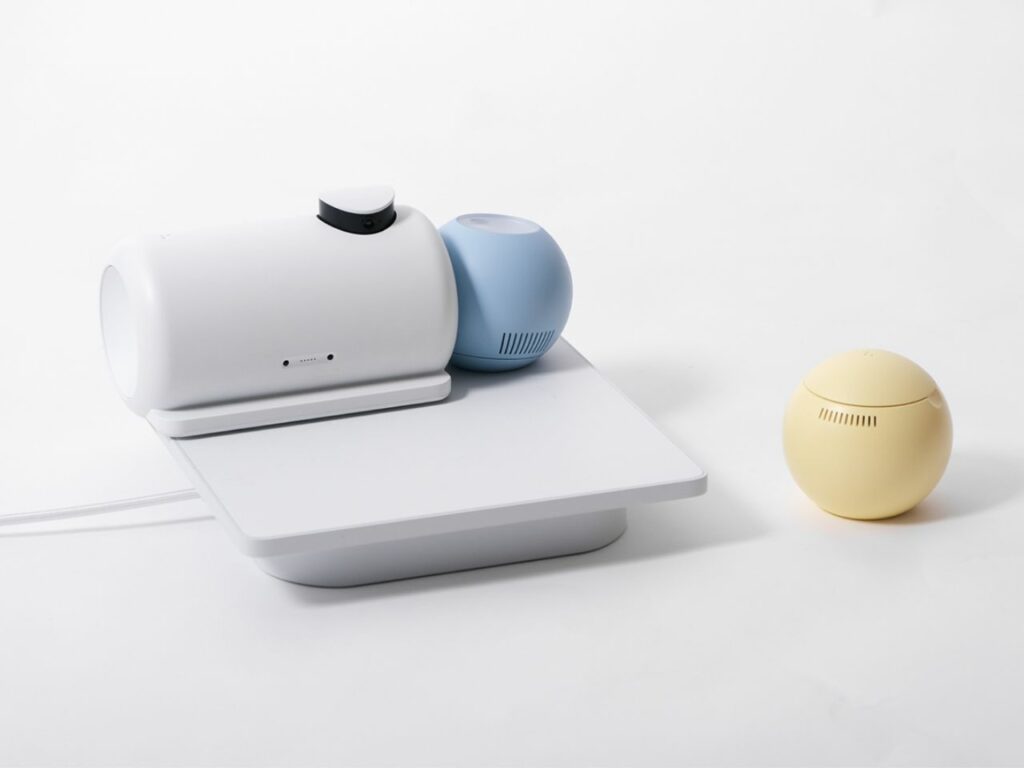
First apartments are usually compact. Therefore, every object must justify its footprint. The gadgets highlighted in Techcrunch piece quietly reinforce several micro-trends:
- Space-saving form factors
- Minimalist, neutral color palettes
- Multi-functionality over single-purpose objects
- App-connected convenience as a default, not a luxury
In other words, usefulness is now inseparable from aesthetics.
Cables are hidden.
Surfaces are matte.
Interfaces are invisible or simplified.
This aligns with broader shifts in furniture and product design, where visual calm and digital control coexist. You can see similar patterns in contemporary desk systems, modular shelving, and even gaming setups designed for living rooms instead of bedrooms.
Why This Matters for Designers and Brands
If brands simply copy listicle formats, they risk becoming forgettable.
However, if they read these guides as cultural documents, new opportunities emerge.
Designers can use gadgets as case studies in:
- Form and material evolution
- Color psychology in small spaces
- UX decisions driven by daily habits
Meanwhile, journalists and editors can reframe these stories into cultural analysis, interviews, or visual breakdowns.
Even Lauren Forristal’s authority as a tech journalist could become a bridge between Silicon Valley thinking and interior design discourse.
The Bigger Picture of First Apartment
First-apartment gadget guides are not trivial content. They are cultural snapshots.
They reveal how a generation defines comfort, efficiency, and identity at home.
And they quietly shape the future of furniture, interiors, and digital living.
For anyone watching the intersection of design and technology, that makes them impossible to ignore.