Arm Holdings (Chip designer) made headlines at CES 2026 with a strategic reorganization that highlights the company’s growing commitment to robotics and real-world autonomy. The tech giant announced the creation of a dedicated “Physical AI” division, a move that marks a major shift in how Arm structures its business around Cloud and AI, Edge, and now Robotics and Automotive systems.
With this realignment, Arm isn’t just expanding its business – it’s signaling a transformation in how technology will interact with the physical world in the next decade.
What Is “Physical AI”?
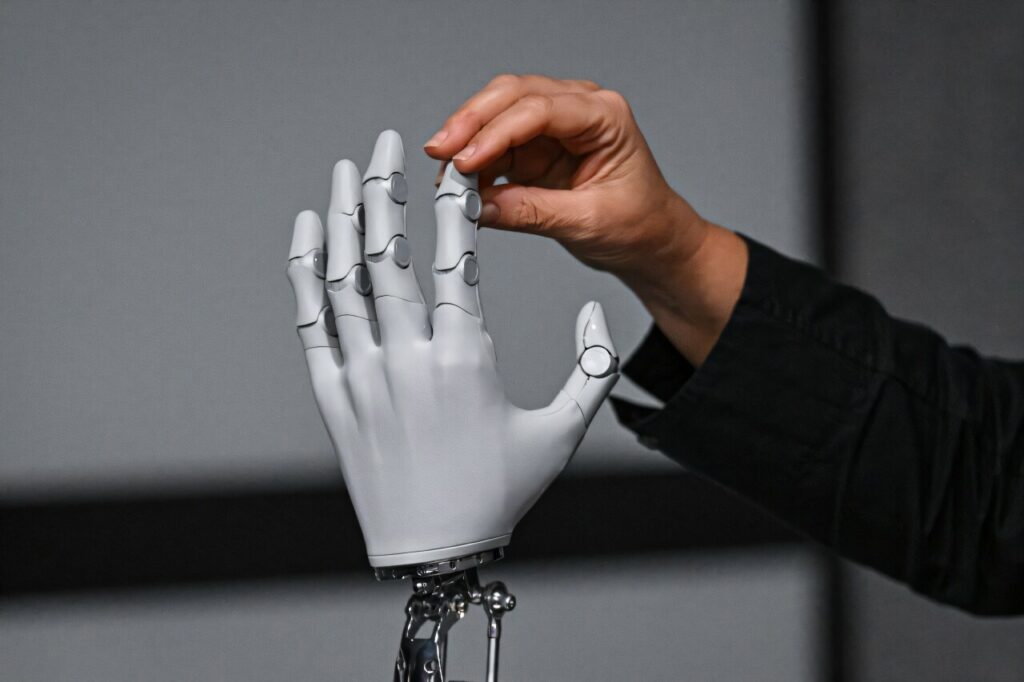
Unlike conventional AI, which focuses on data, pattern recognition, and virtual problem-solving, Physical AI refers to computing that allows machines to sense, process, and act in physical environments. Think robots that adjust to human movement, cars that anticipate driver behavior, or smart furniture that physically adapts to user ergonomics.
Arm’s new division will focus on developing standardized compute platforms for robotics and automotive systems. These platforms will make it easier for manufacturers and designers to integrate motion, perception, and physical interaction into their products – without having to start from scratch.
Why Arm’s Move Matters for Designers and Product Developers
Arm’s expansion into Physical AI could redefine what “smart” means in everyday products. As the company integrates robotics capabilities into its standard platforms, semi-autonomy and adaptive motion are likely to become default expectations across categories – from consumer devices and gaming hardware to home furnishings and mobility systems.
For industrial designers and engineers, this shift carries both opportunities and challenges:
- Unified reference designs will accelerate product development but may also constrain design flexibility.
- Embedded motion and sensing will require rethinking form factors, materials, and maintenance access.
- User expectations will evolve toward products that not only respond but move intelligently.
ARM Opportunities: Getting “Robot-Ready”
Forward-thinking designers can treat this as a call to evolve their craft. The next generation of products will need to accommodate sensors, actuators, and sustainable housings that protect mechanical systems across longer duty cycles.
Some ways to get ahead include:
- Developing robot-ready design languages that integrate motion gracefully – think unobtrusive actuator paths, modular access panels, or internal cable routing that supports movement.
- Exploring adaptive ergonomics in furniture and gaming accessories, such as self-adjusting desks, responsive seating, and repositionable haptic modules.
- Leveraging platform-based chassis built around Arm’s standardized robotics modules to enable swappable internal subassemblies, improving manufacturability and serviceability.
These design strategies will help products remain visually calm, tactilely soft, and emotionally approachable – even as they become more mechanically sophisticated.
Risks: The Trap of Static Design
The biggest risk? Designing for a world that’s already changing. As intelligent motion becomes mainstream, static “smart” products will feel outdated. Industrial designers and hardware innovators who ignore robotics integration risk being left behind – or forced to retrofit autonomy into systems never built to support it.
Additionally, as many companies adopt Arm’s standardized robotics platforms, there’s a danger of visual sameness: a wave of functional but uninspired “mechatronic” aesthetics. Differentiation will depend on how well designers blend motion mechanics with brand identity, material warmth, and emotional tactility.
The Bottom Line from ARM
Arm’s new Physical AI division isn’t just a corporate reorganization—it’s a signal that robotics is entering a normalized, consumer-scale phase. The boundaries between digital and physical intelligence are dissolving, and soon, movement, sensing, and adaptation will be as fundamental to product design as connectivity once was.
“The question now is not IF your next product will move – but how elegantly it will do so.“
Article by Pantelis Bonis